
Colorado’s changing weather, from hailstorms along the Front Range to heavy mountain snowfall, can make gutter maintenance a recurring challenge. Leaves, pine needles, and other debris can clog gutters, leading to drainage problems and potential water damage. For homeowners who clean their gutters several times a year, gutter guards may offer a practical way to reduce maintenance.
But are gutter guards worth it in Colorado? The answer depends on your property’s tree coverage, local weather conditions, gutter system, and maintenance needs. While quality guards can reduce debris buildup and cleaning frequency, they aren’t maintenance-free and won’t solve every drainage problem.
This guide explores the different types of gutter guards, their costs, benefits, limitations, and what Colorado homeowners should consider before investing in a system.
TABLE OF CONTENTS
- Why Colorado’s Unique Climate Makes “Gutter Guards Worth It” a Local Question
- What Gutter Guards Actually Do (And Don’t Do) in Colorado
- When Gutter Guards Are Worth It for Colorado Homes
- Colorado Installation and Performance Considerations
- Making the Right Gutter Guard Decision for Your Colorado Property
KEY TAKEAWAYS
The sections ahead break down exactly which Colorado properties benefit most from guards, how to match system types to your specific debris and weather conditions, what realistic costs and payback periods look like, and the installation details that separate successful long-term performance from expensive disappointments.
Why Colorado’s Unique Climate Makes “Gutter Guards Worth It” a Local Question
Colorado’s climate variations create dramatically different gutter challenges depending on your location. Mountain communities endure heavy snow loads and constant pine needle accumulation, while Front Range properties face intense summer thunderstorms and hail exposure. The San Luis Valley receives minimal precipitation, but areas like Wolf Creek Pass see hundreds of inches of snow annually. These regional differences mean whether gutter guards worth it depends entirely on your property’s specific weather exposure, debris sources, and elevation. Temperature swings create freeze-thaw cycles that stress both gutters and any protective systems installed on them.
Northeastern Colorado ranks among the most hail-prone regions nationally, with some counties experiencing six to nine hail days each year. Cottonwood fluff drifts through neighborhoods each spring, while mature deciduous trees drop leaves rapidly each fall. Foothill and mountain homes face steeper roof pitches that increase water flow speed and snow-sliding risk. These conditions demand guard systems built for durability rather than achieving the lowest upfront price. Understanding your local climate patterns and debris types determines which guard materials and designs will perform reliably rather than fail within a few seasons. Properties above 8,000 feet face snow that remains unmelted throughout winter, making proper drainage design critical for long-term success.
What Gutter Guards Actually Do (And Don’t Do) in Colorado
Gutter guards block leaves, pine needles, and larger debris while allowing rainwater and snowmelt to enter the gutter channel. They reduce cleaning frequency, lower clog risk, and help protect siding and fascia from water stains. Quality systems direct drainage away from foundations and landscaping while reducing ladder use and fall risk. They limit wet organic debris buildup that accelerates gutter corrosion or attracts pests. Understanding these core functions helps determine whether gutter guards worth it for your specific property needs and maintenance goals.
Guards cannot prevent ice dams, which form when heat loss melts snow on upper roof areas and refreezes at cold eaves. They do not eliminate snow removal needs or correct poor gutter slope and pitch. Guards cannot replace inadequate downspout capacity or fix improper roof drainage issues. Fine debris like pollen, roof granules, and seeds still collect on guard surfaces. Heavy rainfall can overshoot certain designs on steep roofs, particularly where water flows rapidly from valleys. Installing guards on failing gutters simply covers ongoing problems without addressing fundamental issues. Properties experiencing recurring drainage problems should review storm-related overflow causes before committing to guard installation.
When Gutter Guards Are Worth It for Colorado Homes
Properties surrounded by mature deciduous trees, pine forests, or cottonwood stands benefit most from quality guard systems. Homes requiring professional cleaning multiple times yearly see strong return on investment through reduced maintenance costs and lower ladder risk. Tall or steep properties requiring scaffolding for safe access justify guard installation more easily than single-story homes with accessible rooflines. Recurring downspout clogs, basement drainage issues, and vacation properties with infrequent inspections all strengthen the case for protective systems. Wildfire-prone areas where windblown debris accumulates also see substantial value from guards that reduce dry fuel buildup.
The cleaning frequency decision rule provides practical guidance for determining whether gutter guards worth it for your situation. Gutters requiring professional cleaning only once yearly with minimal debris may not justify guard costs. Properties needing cleaning two to four times annually see increasingly worthwhile returns. Compare installed guard costs with current annual cleaning expenses while factoring in time commitment and potential water-damage repairs. Homes with severe snow, hail, or pine-needle exposure should prioritize durability and correct installation over finding the cheapest price. Understanding hidden risks from clogged gutters helps quantify the value guards provide beyond simple cleaning cost reduction.
Colorado Installation and Performance Considerations
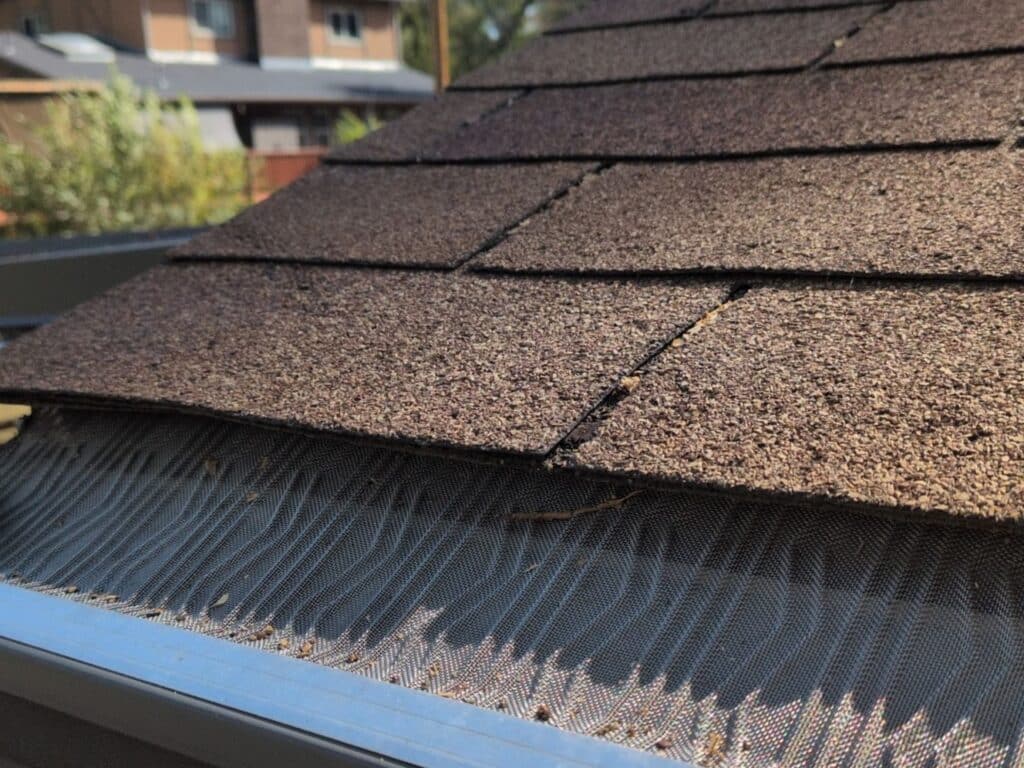
Metal guards withstand Colorado’s snow load and freeze-thaw cycles better than inexpensive plastic systems. Stainless steel and rigid aluminum provide superior impact resistance in hail-prone regions. Micro-mesh designs handle pine needles and cottonwood material more effectively than basic screens. Proper installation allows snowmelt to enter gutters rather than pooling on guard surfaces. Ask contractors about snow-load testing, attachment methods, shingle compatibility, and valley handling before signing agreements. Installation methods that disturb shingles may affect roof warranty coverage, requiring written confirmation from installers familiar with manufacturer requirements.
Quality installation begins with cleaning and repairing existing gutters first. Installers should verify gutter pitch, add hangers where needed, and confirm correct drainage. Corners and roof valleys require custom attention while guards are securely fastened without damaging shingles. The system must accommodate snow and freeze-thaw conditions with properly sealed end caps and seams. Guards reduce cleaning frequency but do not eliminate maintenance needs. Micro-mesh and reverse-curve systems typically need one to two cleanings yearly under normal conditions. Schedule inspections in late spring and fall with additional checks after severe storms. Properties concerned about winter damage should review freeze-thaw stress impacts when selecting guard materials and attachment methods.
Making the Right Gutter Guard Decision for Your Colorado Property
Moving forward with installation makes sense when you currently clean gutters multiple times yearly and face safety concerns with ladder access. Significant tree coverage, recurring water damage, and strong financial payback within reasonable timeframes justify guard investment. Quality existing gutters in good condition provide the foundation for successful guard performance. Waiting makes more sense when gutters need replacement or major repairs, minimal debris accumulates currently, or roof replacement is planned soon. Budget constraints preventing quality installation should delay the project rather than accepting inferior products that fail prematurely.
Calculate realistic payback periods by dividing installed guard costs by annual cleaning expenses avoided. If installation costs fifteen hundred dollars and you avoid three hundred dollars yearly in cleaning fees, simple payback occurs in approximately five years. This calculation excludes avoided water damage and reduced injury risk. Homes with few nearby trees, easily accessible gutters, or severe snow sliding from steep roofs without snow guards should address those fundamental issues first. Avoid installing premium guards on failing gutters that need repair regardless of protective covers. Understanding whether gutter guards worth it requires honest assessment of your property’s specific conditions, debris sources, and maintenance capabilities. Properties experiencing seasonal gutter challenges should evaluate how guards address their particular problems before committing to installation.
Making an informed decision about gutter guards requires honest assessment of your property’s debris sources, cleaning frequency, and long-term maintenance goals rather than chasing quick fixes or lowest prices. Colorado’s demanding climate rewards homeowners who prioritize quality materials, correct installation methods, and realistic performance expectations over budget shortcuts that fail within a few seasons. Whether guards prove worthwhile for your specific situation depends on matching system capabilities to your property’s actual conditions while understanding that reduced maintenance differs from zero maintenance. If you’re ready to evaluate whether your home would benefit from professional gutter protection designed for Colorado’s weather extremes, get a quote that accounts for your roof pitch, debris types, and existing gutter condition rather than generic pricing that ignores critical installation factors.
Are gutter guards effective in preventing basement water damage and foundation issues?
Gutter guards help maintain consistent water flow away from your foundation by reducing clogs that cause overflow near the house perimeter. When gutters function properly with guards in place, rainwater and snowmelt direct through downspouts to designated drainage areas rather than pouring over gutter edges directly beside foundation walls. However, guards alone cannot solve basement water problems if your property has inadequate downspout extensions, poor yard grading, insufficient foundation waterproofing, or undersized gutter systems. Effective foundation protection requires combining functional gutters with proper site drainage, correctly positioned downspout discharge points, and adequate slope away from the house.
Will gutter guards hold up against snow sliding off metal or steep-pitch roofs?
Snow sliding from steep or metal roofs creates tremendous impact force that can damage or dislodge gutter guards not designed for these conditions. Quality metal guards with secure fascia or sub-shingle mounting withstand sliding snow better than plastic systems or simple clip-on designs that lack structural reinforcement. Properties with steep pitches or metal roofing should install roof-mounted snow guards or snow fences above the gutters to break up sliding snow masses before they reach the gutter line. Combining roof snow retention systems with reinforced gutter guards provides the most reliable protection, while installing gutter guards alone on roofs prone to snow avalanches often results in bent guards, damaged gutters, or complete system failure during heavy snow years.
How do I know if my existing gutters are too damaged or old to justify installing guards?
Inspect your gutters for rust holes, separated seams, loose or missing hangers, sections pulling away from the fascia, and improper slope that causes standing water between cleanings. If repairs would cost more than half the price of full gutter replacement, or if the gutter material shows widespread corrosion and deterioration, replacement makes more financial sense than installing guards on failing components. Gutters sagging under normal debris weight, showing stress cracks at hangers, or requiring frequent leak repairs indicate structural problems that guards cannot address and will likely worsen under the additional weight of guard systems. Schedule a professional inspection that evaluates gutter condition, proper pitch, hanger spacing, and overall system capacity before investing in guards that could be wasted on gutters needing replacement within the next few years.
Citations:
https://climate.colostate.edu/climate_long.html
https://waterknowledge.colostate.edu/climate
https://www.fortcomfortgutters.com/services/gutter-guards
https://assets.leaffilter.com/images/stories/pdf/Gutter-Guard-Buyers-Guide-By-LeafFilter.pdf
https://statesummaries.ncics.org/chapter/co
https://www.britannica.com/place/Colorado-state/Climate
https://topnotchgutterservices.com/blog/gutter-guards-denver-homes
https://www.ecowatch.com/gutters/types-of-gutter-guards
https://www.bestcoloradocontractors.com/local/parker/gutters-w